


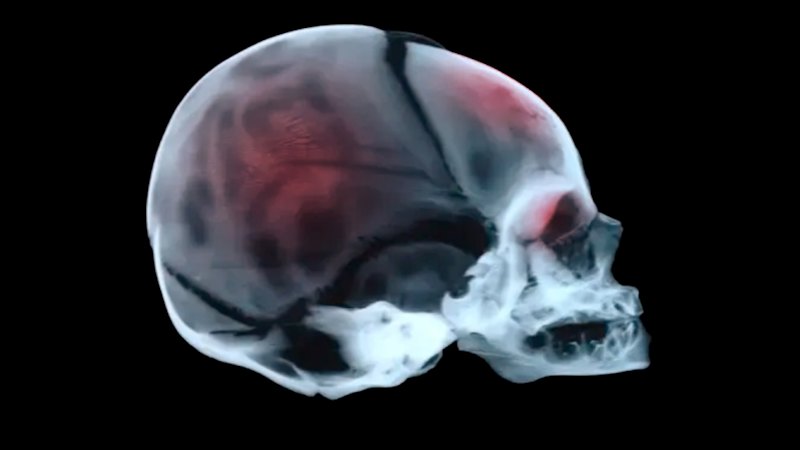
By the 1990s, though, that embrace had morphed from a medical theory into a firm diagnosis – shaken baby syndrome – then an increasing number of prosecutions.
Loading
In the courts all over the world, including Australia, the shaking theory was a pretty efficient package for prosecutors.
It delivered them a perpetrator – usually the last person holding the baby. That person must have intended to hurt the child because it was said the violence required to cause the injuries was as bad as a car crash or a fall from a multistorey building.
And you didn’t need an eyewitness because the expert evidence of doctors was enough to convince the jury.
With all this in place, the number of convictions exploded. Parents lost access to their children. Many were charged with murder.
But is the science sound? That debate remains so aggressive that some describe it on the podcast as a war.
Decades later, Guthkelch changed his mind and joined the other side, but the war raged on.
Doctors and lawyers argue over the scientific basis of this diagnosis, while police prosecutors continue to bring cases, with sometimes catastrophic consequences for Australian families.
Episode 2 illustrates just how angry this debate can be. And it poses the fundamental question: does shaking a baby actually lead to the brain damage seen in historical and current cases?
For more information on the four-part Diagnosing Murder investigative podcast, and to listen to the second episode, see below or click here.
With Bronte Gossling
Support is available from the National Sexual Assault, Domestic Family Violence Counselling Service at 1800RESPECT (1800 737 732).
