


Less than two years after NSW Productivity Commissioner Peter Achterstraat warned that Sydney could be the city with no grandchildren, in some parts of town it must seem like a foregone conclusion.
At Davidson, on the northern beaches, the Herald reported last month that Kambora Public School would shut its doors at the end of this year due to declining enrolments. Fewer young families moving into the area and stagnant housing growth were among the reasons given for the Education Department decision.
That followed the local Catholic diocese schools board re-evaluating its school placement on the northern beaches. With a jurisdiction stretching north of the city, Catholic Schools Broken Bay has chosen to merge St Cecilia’s Primary at Balgowlah with St Kieran’s Manly Vale as it focuses on meeting exploding demand for schools on the Central Coast, where priced-out Sydneysiders have flocked in recent years.
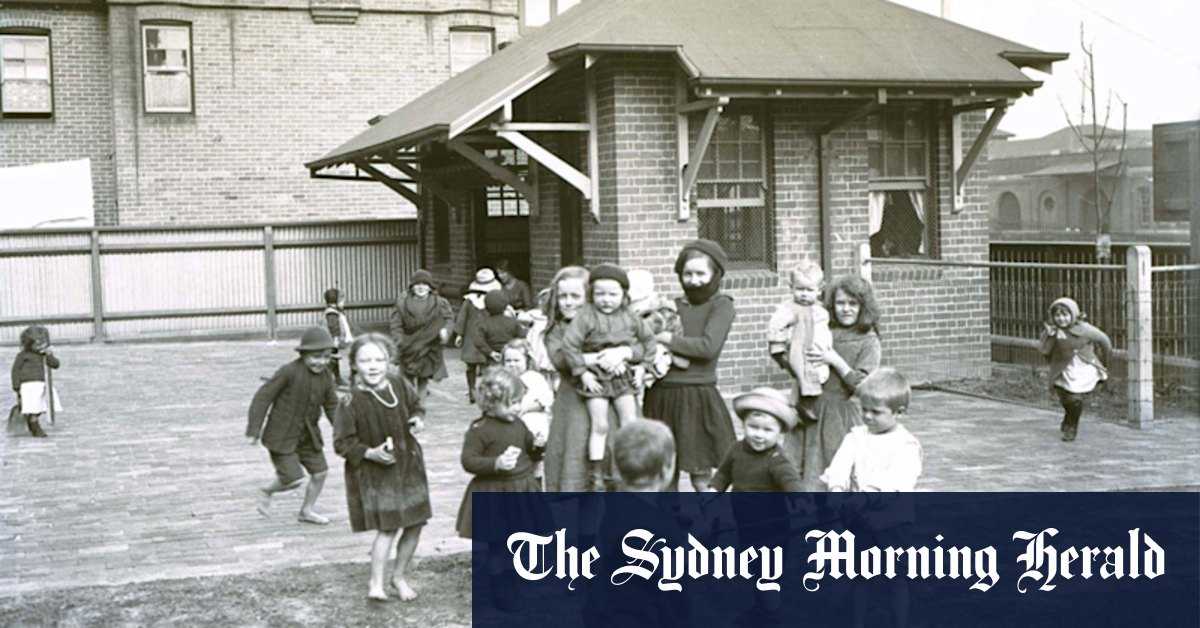
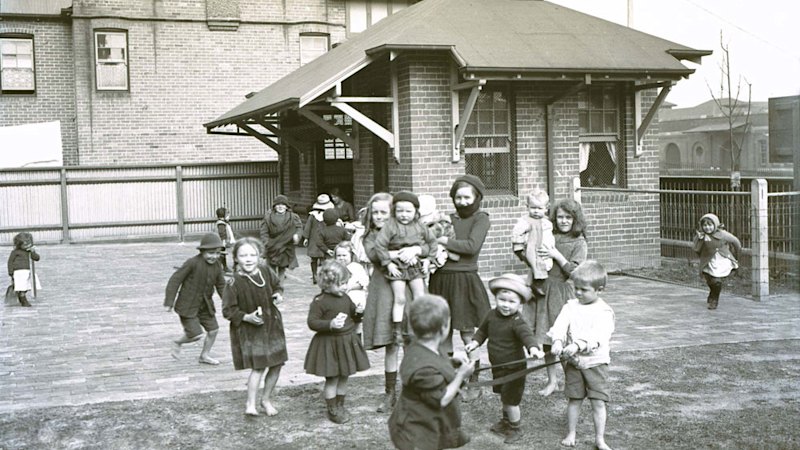
And, as Jessica McSweeney reports in today’s Sun-Herald, the inner-city suburb of Millers Point’s long-standing childcare centre will close this year after its operator found it to be no longer viable. The KU Lance centre sometimes has just six children in attendance, well short of its 39-child capacity. Locals say, after public housing was cleared out, Millers Point streets were increasingly overtaken by short-term rental accommodation, with the once working-class area financially unreachable for families.
Children have become increasingly scarce in some parts of the city, with births falling by 20 per cent or more in the eastern suburbs, north shore, northern beaches and inner west.
But, as the demountable classrooms that cover the school ovals of many western Sydney schools demonstrate, while the city’s fertility rate is in overall decline, this is not the case everywhere, with the average woman still giving birth to more than two children in parts of the Blacktown, Cumberland and Macarthur regions.
Loading
In these areas, childcare centres are not closing; parents join their waitlists during pregnancy.
There are no prizes for guessing why more babies are being born on the city’s outskirts than in its inner suburbs. Last week, the Herald reported research from Anglicare Sydney that found just 1 per cent of the city’s properties would be classed as affordable for essential workers: teachers, health workers.
An “affordable” rental is classed as such when a worker spends no more than 30 per cent of their wages on housing. In other words, a fantasy for most Sydney families struggling with high interest rates and rents in the search for adequate accommodation for their broods. That search sees them move further out than generations before them had to.
