


Historically, the US has leaned on foreign production for its antimony. However, when China – responsible for 80 per cent of global supply – cut off exports 12 months ago, it sparked a frantic push to secure local sources of the critical metal.
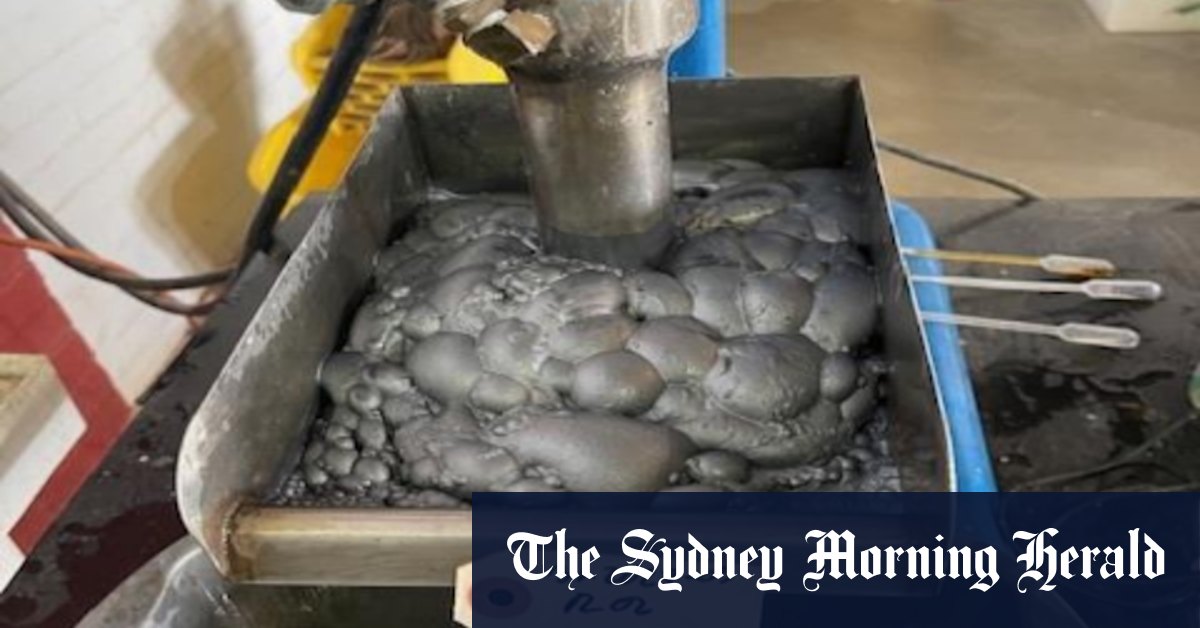
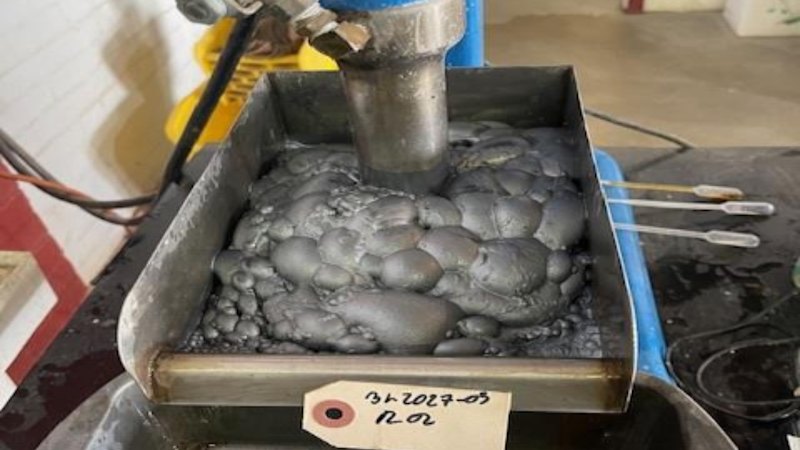
Locksley says the metallurgical green light has now kicked its development into overdrive. Samples have already been shipped to the company’s technology partner, Houston’s Rice University, to undergo DeepSolv testing.
DeepSolv is a cutting-edge hydrometallurgical extraction technique that uses deep eutectic solvents capable of melting ore at lower temperatures, offering a cleaner, low-energy alternative to traditional smelting.
If its technology works successfully, Locksley will mark a first on American soil by turning concentrate into antimony metal, oxide and trisulphide without having to rely on offshore processing.
Locksley is also eyeing a pilot-scale program to demonstrate the full mine-to-market loop from Californian rock to end-use products. Further regrind and cleaning stages are underway to target higher grades up to 50 per cent stibnite and better recoveries.
The company’s grounds wrap neatly around MP Materials’ famed Mountain Pass rare earths mine, placing the Mojave project in prime real estate territory. It has already attracted the attention of Washington insiders and has locked in advisory heavyweights GreenMet to boost its profile in DC.
With high-grade recoveries, near-term drill plans and a downstream strategy already in motion, Locksley’s push to bring antimony back to American soil is quickly turning into one of the more compelling critical minerals stories out there.
As the US scrambles to decouple from Chinese supply chains, this Aussie junior may have just found itself in the right place at exactly the right time.
Is your ASX-listed company doing something interesting? Contact: mattbirney@bullsnbears.com.au
